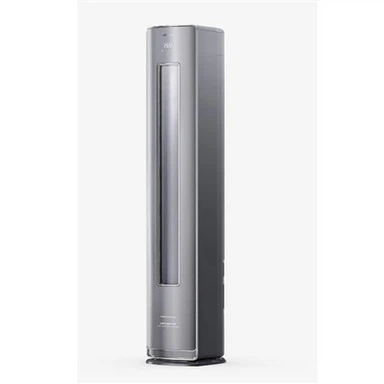
Vacuum Cleaner Housing Plastic Mold
Ordinary shells are ±0.02–0.05mm, key areas such as sealing surfaces are ±0.01mm; Surface roughness: Mirror finish Ra ≤ 0.01μm, matte Ra 0.8–1.6μm, achievable through polishing, etching, etc., S136 steel is suitable for high-gloss requirements.
- Fast Delievery
- Quality Assurance
- 24/7 Customer Service
Product Introduction
I. Product and Material Selection
The material selection for the plastic mold of the vacuum cleaner's casing needs to be based on the model's positioning and the usage scenarios. The key points are as follows:
1.Common raw materials: ABS (standard household base model), PC/ABS alloy (high-end models such as wireless handheld devices, shock-resistant), PP (low-end model, low cost); High-end models can use glass fiber reinforced PC/ABS, and the mold cavity wear resistance needs to be strengthened simultaneously.
2. Structural Design: The wall thickness is uniform (1.2–1.5mm for wireless handheld, 1.5–2.0mm for vertical/horizontal), with a draft angle of 1°–3° reserved; the snap-in and air duct interfaces need to be planned with countersinking and core-pulling in advance, and the joining line is hidden behind the non-appearance surface.
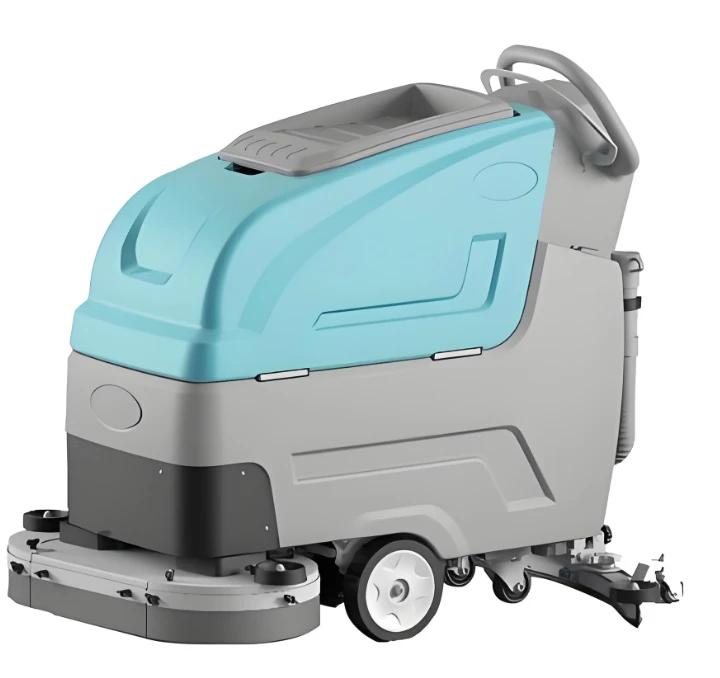
II. Key Design Points of the Mold Core
1. Steel Material and Mold Cavity Planning
|
Purpose of the mold |
Recommended steel materials |
hardness |
Applicable period |
Number of cavities recommended |
|
Ordinary household vacuum cleaner |
2738 pre-hardened steel |
30–34 HRC |
300,000 times |
One, two. |
|
High-end mirror surface / Paint-free outer shell |
NAK80,S136 |
S136Quench to50–54 HRC |
1,000,000+ |
One act / One act two |
|
Glass fiber reinforced material casing |
S136+Nitriding / Coating |
52+ HRC |
800,000+ |
One, two. |
Additional design points:
- The parting surface follows the maximum contour, avoiding the appearance surface. Deep cavities are equipped with stop rings to prevent flying edges;
- The pouring system adopts hidden or point-type sprues (not in the appearance area), and for multi-cavity molds, the flow channels need to be balanced;
- Snap-in and reverse snap-in parts use inclined dies/slide cores; deep cavities can use hydraulic core pulling;
- Large-area shells are ejected using a top plate, with local use of push pins to avoid warping due to ejection;
- Integral waterways and partition cooling, with water temperature controlled within ±1°C to ensure dimensional stability.
2. Precision and Surface Treatment
Size tolerance: Ordinary shells are ±0.02–0.05mm, key areas such as sealing surfaces are ±0.01mm; Surface roughness: Mirror finish Ra ≤ 0.01μm, matte Ra 0.8–1.6μm, achievable through polishing, etching, etc., S136 steel is suitable for high-gloss requirements.
3. Exhaust System
Exhaust grooves of 0.02–0.03mm are opened on the parting surface. The mating surfaces of inserts and sliders are reserved for exhaust gaps. Complex cavities can be paired with vacuum-assisted molding to avoid trapped air defects.
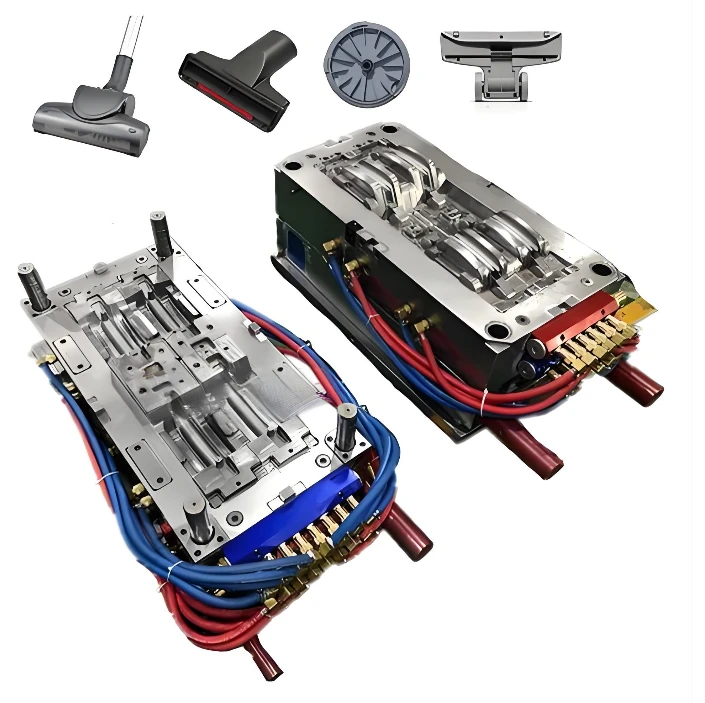
III. Manufacturing and Mold Testing Process
Follow the principle of "digitalization first, precise processing, staged mold testing", the process is as follows:
1. Digital design: Modeling with UG, SolidWorks, combined with Moldflow analysis to optimize waterways and sprues, predict molding defects;
2. Precision processing: CNC milling, electrical discharge machining, wire cutting processing, followed by mold fitting by fitters (parting surface gap < 0.01mm);
3. Mold testing optimization: Adjust molding parameters to solve problems such as flying edges and shrinkage marks, conduct 5000 mold stability tests before mass production.
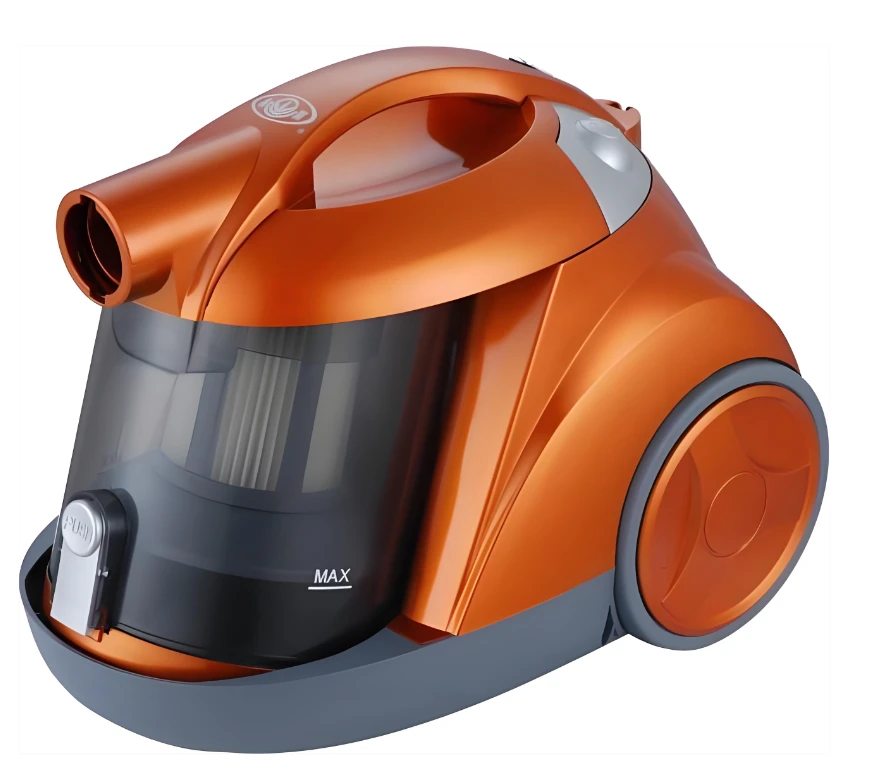
IV. Application Scenarios
Molds are deeply bound to the categories of vacuum cleaners. They are classified into four types based on scenarios:
1. Household consumption scenarios
Wireless handheld models: High precision (±0.02mm), high surface quality, suitable for PC/ABS, one out of two cavities;
Vertical/Horizontal models: ABS/PP materials, one out of two/four cavities; Mini models: Small and compact, suitable for small batch production, emphasizing cost.
2. Commercial/Industrial scenarios
Commercial models: Fiberglass reinforced PC/ABS materials, S136 + nitrided steel, lifespan over 800,000 cycles; Industrial models: Corrosion-resistant steel + special coating, suitable for harsh environments.
3. Smart home ecosystem scenarios
Vacuum cleaners/spot cleaning machines: Composite structure, reserved embedded interfaces, high precision; Debris removal devices: Small and precise, high surface treatment, optimized exhaust.
Hot Tags: vacuum cleaner housing plastic mold, China vacuum cleaner housing plastic mold manufacturers, factory, injection mould tooling, household appliance injection mould, injection mold quotation, injection mold for complex shapes, plastic injection mould cost, copper injection mould