


-
![Carbon Fiber Engine Hood Mold]() Add to Inquiry
Add to Inquiry -
![GMT Battery Pack Under Shield Mould]()
GMT Battery Pack Under Shield Mould
Add to Inquiry -
![LFT Building Formwork Molds]() Add to Inquiry
Add to Inquiry -
![Carbon Fiber Automotive Center Console Panel]()
Carbon Fiber Automotive Center Console Panel
Add to Inquiry -
![LFT Door Impact Beam Molds]() Add to Inquiry
Add to Inquiry -
![Carbon Fiber Automotive Spoiler Mold]()
Carbon Fiber Automotive Spoiler Mold
Add to Inquiry -
![LFT Pallet Molds]() Add to Inquiry
Add to Inquiry -
![Automotive Carbon Fiber Fender Mold]()
Automotive Carbon Fiber Fender Mold
Add to Inquiry -
![Carbon Fiber Molds For Automobile Hoods]()
Carbon Fiber Molds For Automobile Hoods
Add to Inquiry -
![LFT-D Underbody Shield Mould]() Add to Inquiry
Add to Inquiry -
![LFT Storage Box Mould]() Add to Inquiry
Add to Inquiry -
![LFT Storage Box Change Board Mould]()
LFT Storage Box Change Board Mould
Add to Inquiry




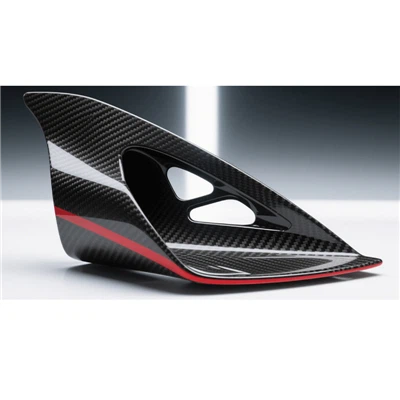


Your Professional Carbon Fiber Mould Supplier
JMJT is a professional manufacturer of GRP, SMC/BMC, GMT, LFT-D, HP-RTM, and PCM (thermoset plastic) compression molds, hot press molds, and plastic molds. We specialize in the design and manufacture of SMC/BMC sanitary ware molds, SMC/GMT/LFT-D/PCM automotive exterior trim molds, and other composite material molds.
High-Precision Manufacturing
By utilizing state-of-the-art CNC machining centers, EDM machines, and advanced surface treatment technologies, we ensure that every mold meets stringent tolerance requirements.
Certification
JMJT is ISO 9001 certified. ISO 9001 is an internationally recognized quality management system standard that helps organizations ensure their products and services consistently meet customer and applicable legal and regulatory requirements. It also promotes customer satisfaction through continuous improvement.
Sales Market
Our molds are exported to America, Europe, Africa, and Asia. We always consider quality as our foundation and customer service as our core principle. We sincerely look forward to cooperating with customers around the world.
Product Overview
|
Services |
Carbon Fiber Car Tail Mold |
|
Material |
1)Brass , Steel , Aluminum , Stainless , Steel , Copper , Iron , Titanium , Plastic,etc. |
|
Customized Services |
CNC Milling Service, CNC Turning Service, CNC Drilling Service, Surface Finishing, Sheet Metal Fabrication, Forging, Moulds |
|
Surface Treatment |
Plating, Wire Drawing, Sandblasting, Anodizing, Polishing, Knurling, Laser Etching |
|
Certificate |
AS9100 Certificate for Aerospace Parts |
|
IATF16949 for Auto Industry |
|
|
ISO13485 Certificate for Medical Equipment Parts |
|
|
ISO 9001 The Certificate of Quality Management System |
|
|
Colors |
According to your requirements |
|
Olerance |
±0.01mm |
|
Packaging: |
Precision machining parts |
|
Inner |
PE bag or customized |
|
Outer |
Wooden case or carton or customized |
Key Requirements for Carbon Fiber Molds
Carbon fiber molds need to meet several key criteria:
High Strength and Durability:
Molds must withstand repeated heating and cooling cycles during the manufacturing process.
Good Machinability:
The mold material must be easily machined to achieve intricate designs.

Dimensional Stability:
Precision is paramount to maintain the integrity of the molded parts.
Resistance to Wear and Corrosion:
Molds must be able to withstand exposure to chemicals and prolonged use.

Under normal conditions, the production of carbon fiber mold requirements are as follows:
1. Due to the need for injection resin, the mold needs to have injection port and exhaust port, which can realize sealing as a whole. In the process of resin injection, there is no air leakage, especially in the case of vacuum liposuction, the sealing of the mold directly affects the quality of carbon fiber products.
2. Planning has the upper and lower mold guide, positioning equipment, mold locking organization, product demoulding organization;
3. The dimension of die cavity is accurate, the cooperation between upper and lower dies is accurate, and the surface precision of mold surface is very high.
4. It has satisfied strength and stiffness, and does not deform under the injection pressure.
5. With certain heating equipment, the mold can be heated to a certain temperature (60-120 ℃), the temperature distribution of the mold surface is uniform, and the temperature can be inspected and adjusted
Key Considerations in Carbon Fiber Mold Design
Designing an effective mold requires attention to several critical factors:
Draft Angles
A slight taper (1-3°) facilitates easy demolding and prevents part damage.
01
Surface Finish
High-gloss finishes (achieved via polishing or coatings like PVA) ensure smooth part surfaces.
02
Venting and Air Escape
Proper venting prevents air traps, which can cause voids or delamination.
03
Thermal Expansion
Molds must account for material expansion during curing to avoid distortion.
04
Parting Lines
Strategic placement minimizes flash and simplifies demolding.
05
How to make carbon fiber mould?
Designing a carbon fiber mold can seem complex, but breaking it down into steps makes it achievable. Here’s a friendly guide to help you get started:
Step 1: Design and Planning
Decide on the shape and dimensions of your carbon fiber part. Sketch out the mold design on paper or using design software.
Step 2: Choose the Mold Material
Select a mold material based on factors like durability, heat resistance, and ease of machining. Common choices include aluminum, composite materials, steel, or silicone.
Step 3: Build the Mold Structure
Use your design to create a physical mold structure. For composite molds, layer epoxy resin and fiberglass to build up the mold shape. For metal molds, you have to involve machining or casting.
Step 4: Finishing Touches
Smooth the mold surface for an even finish on your carbon fiber part. Ensure you polish the mold and remove any imperfections.
Step 5: Apply Mold Release Agent
Apply a release agent to the mold to ensure easy removal of the carbon fiber part after curing.
Step 6: Prepare Carbon Fiber Fabric
Cut the carbon fiber fabric into the required shape and size. Lay the fabric layers inside the mold, ensuring they conform to the mold’s contours.
Step 7: Mixing Resin
Mix the resin according to the manufacturer’s instructions. This resin acts as the “glue” that binds the carbon fiber layers together.
Step 8: Apply Resin
Evenly distribute the resin onto the first layer of carbon fiber inside the mold. Use brushes or rollers to make sure it’s spread uniformly.
Step 9: Layering and Curing
Add subsequent layers of carbon fiber fabric, applying resin between each layer. Press the layers firmly to remove air bubbles. Place the mold in an oven or under heat lamps for curing.
Step 10: Demolding
Once the resin has cured and the carbon fiber part has hardened, carefully open the mold. Gently remove the cured carbon fiber part from the mold.
Step 11: Post-Processing
Trim any excess material and sand down rough edges. Your carbon fiber part might need additional finishing, like painting or clear coating.
Step 12: Enjoy Your Creation
Now you have a strong and lightweight carbon fiber part ready for use! Whether it’s for aerospace, automotive, or any other field, your creation is a testament to your craftsmanship.
Certificate

FAQ
We're professional carbon fiber mould manufacturers in China, specialized in providing high quality customized service. If you're going to buy high-grade carbon fiber mould made in China, welcome to get quotation from our factory. For price consultation, contact us.
