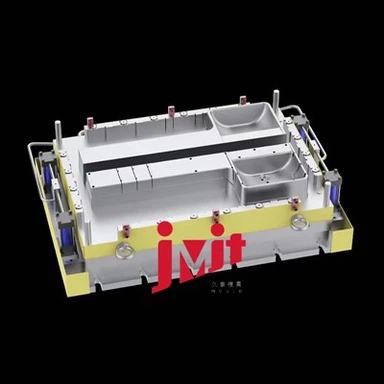
Multi-perspective Analysis Of The Melamine Bathtub Industry
Aug 19, 2026
I. Industry Trends
1.Expansion of the melamine industry into the sanitary-ware sector
China's melamine industry is undergoing cross-sector transformation and continuously expanding its footprint into building materials and sanitary-ware. Melamine manufacturers are stepping out of the daily-use tableware business and entering prefabricated building materials and home sanitary-ware markets. This represents a key new trend in the structural upgrading of the domestic melamine industry.
2.Prefabricated bathroom wave drives competition
Currently, overseas markets such as Europe and Southeast Asia have already implemented small-batch pilot applications in modular construction and prefabricated engineering, focusing on two core selling points: design and high-fidelity ceramic texture.
3.Shift in hotspots for industrial technical patents
Bathtubs are exposed to harsh service conditions: long-term immersion in hot water of 40-55 °C and repeated thermal cycling. This imposes much higher requirements on material stability, safety and weather resistance. Modified melamine materials dedicated to sanitary-ware and their mass-production processes have become the core of technological breakthroughs in the industry.

II. Material Technologies
1.Ceramic‑like surface with excellent stain and corrosion resistance:Hot‑compression molded melamine delivers high surface smoothness and fine texture comparable to ceramic. It features good resistance to acid, alkali and daily‑chemical corrosion, and withstands long‑term exposure to body wash and various bathroom cleaners. Its anti‑fouling performance is markedly superior to ordinary acrylic. Higher surface hardness prevents fine scratches in daily use and keeps the bathtub bright and clean over long service periods.
2.Thermoset material with outstanding stability and flame retardancy:As a thermoset composite material, melamine exhibits stable structural performance and favorable flame-retardant properties with prominent safety performance. Unlike thermoplastics such as acrylic, it will not soften, melt or deform under high-temperature conditions. Its superior heat resistance and anti-deformation capacity make it suitable for complex bathroom operating conditions.
3.Monolithic molding for bacteria-inhibiting and easy-to-clean performance:The one-piece compression-molding process enables seamless monolithic bathtub designs. It fundamentally eliminates dead corners for dirt accumulation and mold growth, greatly reducing bathroom cleaning and maintenance work and meeting hygiene-related requirements for high-quality sanitary-ware.

III. Application Scenarios
1.Prefabricated integral bathrooms, hotel & apartment modular bathrooms: Compatible with the prefabricated dry construction system, relying on the lightweight and easy-toinstall characteristics of the products, it effectively improves on-site construction efficiency; meanwhile, the high-quality porcelain-like appearance is outstanding, meeting the standardized and aesthetically pleasing commercial decoration needs hotels and apartments.
2.Wellness and elderly care projects: Compared to traditional ceramic and stone bathtubs, it is significantly lighter, which can substantially reduce the load pressure on building floors. It is suitable for elderly care communities, wellness apartments, and old building renovation projects, aligning with the construction standards of lightweight and safe wellness buildings.
3.Overseas engineering projects: For overseas commercial-construction projects with limited budgets that pursue ceramic-style finishes while avoiding drawbacks of conventional ceramics such as heavy weight, high transportation-and-installation costs and fragility, melamine bathtubs serve as a cost-effective alternative balancing visual quality and cost control.