


SMC High-Speed Rail Seats: Safe Flame-Retardant Performance
Nov 20, 2026
Stricter Fire Safety Requirements for Rail Transit Interiors Open New Opportunities for Advanced Seat Materials
High-speed rail carriages are enclosed, narrow spaces with dense passenger occupancy and limited evacuation options. In the event of a fire, the combustion characteristics and smoke toxicity of interior materials directly affect passenger safety, which is why fire safety standards for rail transit interior components are continuously being tightened both domestically and internationally. Traditional seat materials are prone to sustained combustion at high temperatures, rapidly releasing large amounts of toxic smoke that obstructs visibility and causes poisoning and asphyxiation, severely limiting escape and rescue time. With the renewal of high-speed train fleets and growing export demand for overseas rail vehicles, the market urgently needs interior solutions that simultaneously meet requirements for flame retardancy, low smoke emission, low toxicity, high strength, and lightweight construction; flame-retardant SMC (Sheet Molding Compound)has become the preferred material for rail transit seats.
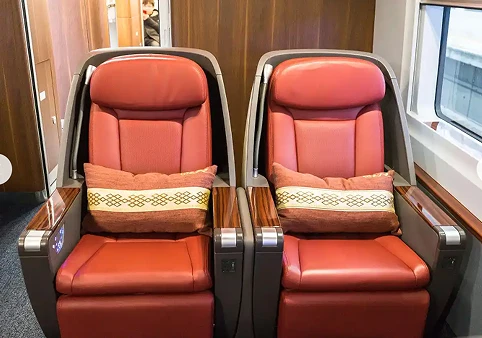
SMC High-Speed Rail Seats: Compression Molded for High-Standard Fire Performance
As a Taizhou-based enterprise specializing in SMC composite material mold research, development, and manufacturing,JMJT MOULD CHINA has deeply positioned itself in the rail transit interior mold sector, developing a complete set of compression molds for flame-retardant SMC high-speed rail seats, providing core mold support for the mass production of this fire-rated high-speed rail seat. JMJT MOULD CHINA fully leverages the flow characteristics of SMC composite materials and the forming characteristics of flame-retardant formulations to optimize mold runners, exhaust structures, and temperature control systems. This resolves common challenges such as insufficient material fill, bubbles, and surface defects that occur during the compression molding of flame-retardant formulations, ensuring integrated molding of the seat pan, backrest, and side panels. The molded products have a dense, uniform structure and consistently meet the EN45545-2 rail transit fire safety standard. This SMC seat uses a halogen-free flame-retardant system with self-extinguishing properties; once the ignition source is removed, combustion stops quickly, effectively preventing flame spread. During combustion, smoke generation is low and smoke toxicity levels are low, reducing toxic smoke dispersion in the event of a fire and buying precious time for passenger evacuation within the carriage.
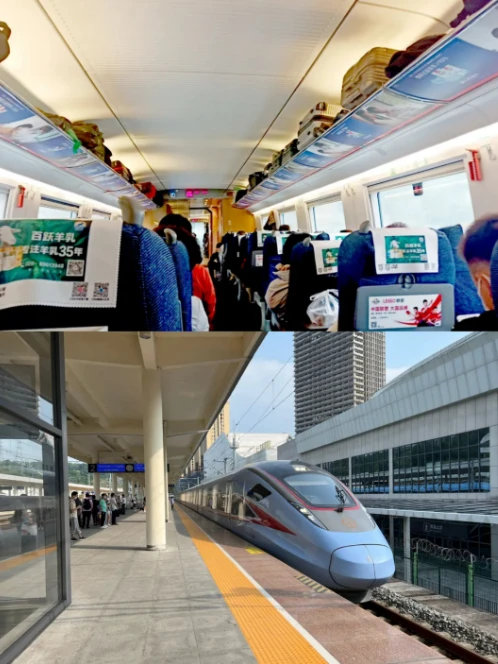
Multiple Combined Advantages: Safety, Lightweight Design, and Long-Term Durability
Beyond its core fire safety advantages, the SMC high-speed rail seats manufactured by JMJT MOULD CHINA offer several additional advantages tailored to rail transit scenarios. First, excellent mechanical performance. Glass-fiber reinforced SMC material offers high strength, good rigidity, and impact resistance; it resists deformation and cracking under repeated long-term loading, making it ideal for high-frequency passenger use on high-speed trains, with a longer service life and reduced train maintenance and replacement costs. Second, significant lightweighting benefits. Compared to traditional metal seats, SMC composite components are lighter, effectively reducing overall vehicle weight, lowering train energy consumption during operation, and supporting energy savings and cost reduction in rail transit. Third, easy maintenance and cleaning. The integral compression-molded structure has minimal seams and a smooth, dense surface that resists oil stains and cleaning agents, making daily disinfection and cleaning simple and preventing dirt accumulation, meeting the high-standard hygiene management requirements of high-speed rail operations. Backed by JMJT MOULD CHINA mature SMC compression molding process solutions, seat products have strong consistency and can be stably mass-produced. They are suitable for both domestic high-speed train fleet upgrades (such as Fuxing) and new train configurations, as well as meeting fire safety regulatory requirements for exported overseas rail vehicles.
Deeply Focused on Composite Mold Development to Support Rail Safety Industry Growth
JMJT MOULD CHINA technical lead explains that rail transit interior components place far higher demands on mold precision, stability, and heat resistance than ordinary consumer products. The company s team continues to focus on process R&D addressing the forming challenges of specialty composite materials such as flame-retardant SMC, LFT, and carbon fiber. In addition to high-speed rail seat molds, it is also developing a series of fire-rated composite molds for rail transit wall panels, lamp housings, equipment enclosures, and more. Rail safety is the top priority in passenger transport development, and the upgrade of fire-rated interior materials is a critical link in the rail vehicle safety system. Going forward, JMJT MOULD CHINA will continue to collaborate with material manufacturers and rail equipment enterprises to iterate mold structures and forming processes, develop SMC interior component molds for higher fire protection ratings, and continuously deliver reliable composite material forming solutions, contributing mold expertise to the upgrading of domestic rail transit equipment and the global expansion of rail products.


